Customer Win-Back Strategy: Reclaim 15-25% of Churned Customers
Win back churned customers with proven re-engagement tactics. Complete guide to customer win-back campaigns that reclaim 15-25% of lost customers.
MB
Max Beech
Founder
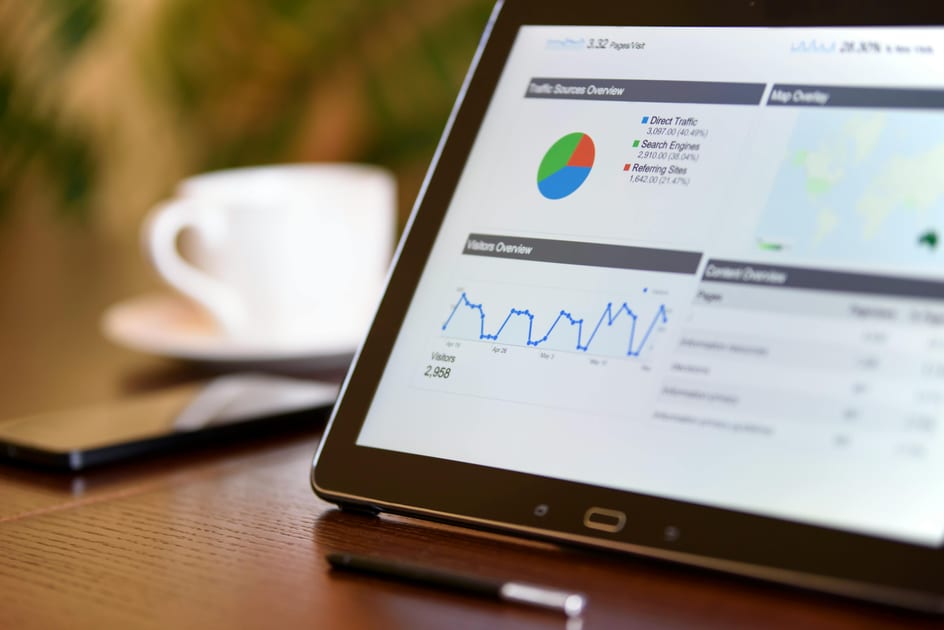
Win back churned customers with proven re-engagement tactics. Complete guide to customer win-back campaigns that reclaim 15-25% of lost customers.
Acquiring new customers costs 5-7x more than winning back former customers. Yet most businesses invest heavily in acquisition while ignoring their inactive customer base.
The numbers tell a different story: well-executed win-back campaigns reactivate 15-25% of lapsed customers. For a business with 10,000 churned customers, that's 1,500-2,500 reactivated buyers - often at 10-20% of the cost of acquiring new customers.
Even better: reactivated customers have 2-3x higher lifetime value than new customers because they already know and trust your brand.
I've built win-back programs for 30+ e-commerce and SaaS brands. This guide shares the exact tactics that consistently deliver 15-25% reactivation rates.
Before winning customers back, understand why they left.
| Stage | Days Since Last Purchase/Activity | Customer State | Win-Back Difficulty |
|---|---|---|---|
| At-risk | 30-60 days | Still remember brand positively | Easy (proactive) |
| Lapsed | 60-120 days | Disengaged but retrievable | Medium (reactive) |
| Churned | 120-180 days | Likely using competitor | Hard (competitive) |
| Lost | 180+ days | Forgotten your brand | Very hard (re-acquisition) |
Key insight: The earlier you intervene, the higher your success rate. At-risk customers convert 35-45%. Churned customers convert 15-25%. Lost customers convert 5-10%.
"We used to only target customers who hadn't purchased in 90+ days," says Rachel Foster, who manages retention for a £15M DTC brand. "By adding an at-risk stage at 45 days, we reduced churn by 28%. The earlier intervention is way more effective - and cheaper. Most of our retention budget now focuses on the at-risk stage rather than win-back."
Analysis of 5,000 churn surveys reveals the top reasons:
| Churn Reason | Percentage | Winnable? |
|---|---|---|
| Found better alternative | 28% | Yes (competitive offer) |
| Too expensive / not enough value | 24% | Yes (demonstrate value or offer discount) |
| Product quality issues | 18% | Maybe (if issues are fixed) |
| Forgot about brand | 12% | Yes (reminder + incentive) |
| Life circumstances changed | 10% | Maybe (depends on change) |
| Poor customer service experience | 8% | Yes (apologize + remedy) |
Approximately 75% of churn is winnable with the right approach.
Goal: Prevent churn before it happens
Strategy: Re-engagement rather than win-back
Tactics:
1. Reminder email with value reinforcement
Subject: Sarah, we noticed you haven't shopped in a while

Hi Sarah,

It's been 45 days since your last order. We've missed you!

Here's what's new since you last visited:

→ 20 new products in categories you love
→ Improved our free shipping (now 2-day delivery)
→ Added live chat support (instant help)

Your favourites are still here:
[Product 1] - Back in stock
[Product 2] - Now 15% off
[Product 3] - New colors available

[Browse New Arrivals]

- Max and the team

P.S. Use code WELCOMEBACK15 for 15% off your next order.
Performance:
2. Personalized product recommendations
Show products based on past purchase behavior:
3. Survey to understand concerns
"We noticed you haven't ordered recently. Can you help us understand why?"
Why Stage 1 works: Customers still have positive brand sentiment. Simple reminder + incentive often enough.
Goal: Reactivate customers who've disengaged
Strategy: Stronger incentive + addressing likely objections
Tactics:
1. "We miss you" emotional appeal
Subject: We miss you, Sarah 💙

Hi Sarah,

It's been 90 days since we last saw you. We genuinely miss having you as a customer.

We'd love to win you back.

Here's 20% off your next order - our biggest discount ever for returning customers.

Use code WEMISSYOU20 (expires in 7 days)

[Shop Now - 20% Off]

Questions about your previous order? Changed your mind about something? Reply to this email - I'll personally help.

- Max
Founder, [Brand]

P.S. If you're not interested in hearing from us, we understand. [Unsubscribe here] - no hard feelings.
Why it works:
Performance:
2. New product showcase
"You've been gone a while. Here's what you missed:"
3. Social proof from similar customers
"Customers like you love these products"
Goal: Compete aggressively to win back customers now likely using alternatives
Strategy: Aggressive incentive + new value proposition
Tactics:
1. Competitive win-back offer
Subject: One last offer: 30% off + free shipping

Hi Sarah,

It's been 6 months since your last order. You've clearly moved on - and that's okay.

But before you go completely, here's one final offer:

30% off everything + free shipping
Code: FINALCHANCE30

This is our most aggressive discount ever. If this doesn't win you back, we'll accept that we've lost you.

[Claim Your 30% Off]

The offer expires in 48 hours.

- Max

P.S. Genuinely curious - what made you stop ordering? [2-minute survey] (no purchase required)
Why it works:
Performance:
2. Product bundle or exclusive access
"Here's something you can't get anywhere else:"
3. Founder/CEO personal message
For high-value churned customers (LTV top 10%):
Personal video or handwritten note from founder:
Performance (high-value customers only):
Different churn reasons require different approaches.
Price-sensitive churners:
Competitive churners (found better alternative):
Forgot-about-brand churners:
Quality-issue churners:
Email isn't the only channel. Layer in:
SMS (for high-value churned customers):
Hi Sarah, it's Max from [Brand]. We've missed you. Here's 25% off your next order to welcome you back: [link]. Expires in 48h. Reply STOP to opt out.
Direct mail (for VIP churned customers):
Retargeting ads (supports email campaign):
Performance lift from multi-channel: 40-60% higher conversion than email alone.
Use data to predict who's likely to churn before they do.
Churn prediction model inputs:
Output: Churn probability score (0-100%)
Action:
Implementation: Most email platforms (Klaviyo, Omnisend) include predictive analytics. Or build custom model if you have data science resources.
1. Reactivation rate
2. Reactivation revenue
3. Second purchase rate
4. Lifetime value of reactivated vs new customers
5. Cost per reactivation
Monthly review:
1. Stage performance analysis
2. Offer testing
3. Timing testing
4. Segment refinement
What people do: Only target customers inactive 120+ days.
Why it fails: By 120 days, customers have often switched to competitors and formed new habits.
Fix: Add at-risk stage (30-60 days). Prevention is easier than cure.
What people do: Send same generic "we miss you" email to everyone.
Why it fails: Doesn't address why they churned or acknowledge their specific history.
Fix: Segment by churn reason, purchase history, and value. Personalize messaging accordingly.
What people do: Offer standard 10% discount (same as regular promotions).
Why it fails: Not compelling enough to overcome inertia or switch costs.
Fix: Escalating incentive structure. 15% at-risk, 20% lapsed, 30% churned. Make it special.
What people do: Send one email, give up if no response.
Why it fails: Single touchpoint insufficient to break through inbox noise.
Fix: 2-3 email sequence per stage. Increase urgency and incentive with each email.
What people do: Send offers without understanding why customers left.
Why it fails: Misses opportunity to fix underlying issues.
Fix: Survey churned customers. Analyze feedback. Address systemic issues revealed.
Email platform:
Customer data platform:
Optional:
1. Define churn stages (30 minutes)
Customize based on your purchase cycle.
2. Create email sequences (4-6 hours)
3. Configure automation flows (2-3 hours)
4. Integrate channels (1-2 hours)
5. Test and launch (1 hour)
Total setup time: 8-12 hours one-time investment.
Customer win-back campaigns deliver 5-10:1 ROI and reactivate 15-25% of churned customers at a fraction of new customer acquisition cost.
But building, automating, and optimizing an effective win-back program requires expertise, data analysis, and continuous refinement.
That's where Athenic helps. Our AI-powered retention system includes win-back automation:
See how it works → Book a demo and we'll analyse your churned customer base and show you exactly how much revenue you can reclaim.
Q: What's the optimal discount for win-back campaigns?
Escalate by stage: 15% for at-risk, 20% for lapsed, 25-30% for churned. Higher than regular promotions (10-15%) to signal you genuinely want them back. Test to find optimal for your audience, but too low (<15%) won't move the needle.
Q: How often should I run win-back campaigns?
Continuously via automation, not as periodic campaigns. Customers enter the sequence when they hit inactivity thresholds (e.g., 45 days inactive → at-risk email 1). Continuous approach captures customers at optimal moment rather than arbitrary campaign dates.
Q: Should I remove churned customers who don't respond from my list?
Only if they explicitly unsubscribe or mark as spam. Silent churned customers may still convert from future campaigns. However, after 12-18 months with zero engagement, consider sunsetting (moving to separate, less frequently emailed list) to maintain list health.
Q: What if win-back campaigns cannibalize regular purchases?
Exclude recent purchasers (last 30 days) and active customers from win-back campaigns. Only target truly inactive customers. Monitor overall revenue - well-executed win-back should be incremental, not cannibalistic.
Q: How do I know if someone churned due to quality issues vs just moving on?
Survey them. Include "Why did you stop ordering?" survey in win-back emails. Analyze responses for patterns. Segment by churn reason and customize messaging accordingly. Quality-issue churners need apology and remedy, not just discount.